
Beauty is partly universal and partly cultural. Traits like facial symmetry are consistently associated with attractiveness, possibly because they can signal healthy development.
Most other beauty standards vary by culture and era. Skin tone, body shape, eye shape, breast size, and countless other features considered attractive in one place or period may be undesirable in another.
Just look at old paintings of The Judgement of Paris. Aphrodite, Athena, and Hera were meant to represent extraordinary beauty, yet women painted as ideals centuries ago may look far less attractive by today’s standards.
Some aspects of beauty may be timeless. The rest changes with culture and time.
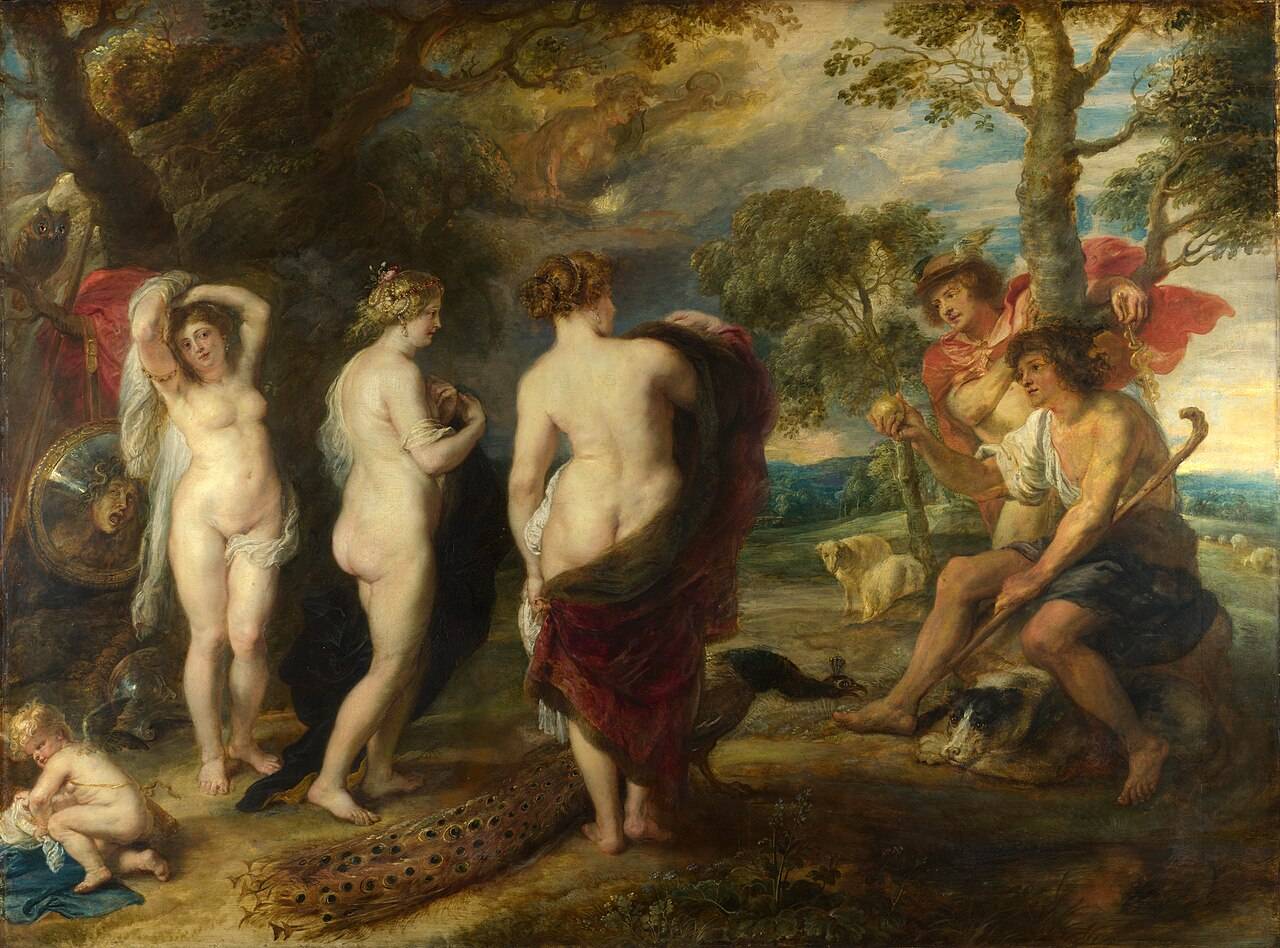
Someone living in the era when an old painting was created might have considered the women in it exceptionally beautiful, because they reflected the beauty standards he grew up with. Show him one of today’s most beautiful actresses, and he might find her strange-looking—or perhaps not attractive at all.
Other than facial symmetry (which persists across locations and time), beauty is an ILLUSION. Beauty lies in the eyes of the beholder.
A woman considered exceptionally beautiful today might look strange, overweight, or malnourished to men from a different culture or historical period.
Another thing about beauty is that you quickly get used to it. When you see your wife every day, her appearance becomes familiar, and physical beauty naturally becomes less important than it seemed at first.
“Show me a beautiful woman and I’ll show you a man who’s tired of sleeping with her”

The weekly newsletters you’re not supposed to see. 👀